



Parametry techniczne:
| Rodzaj: | Jäger und Kavallerie |
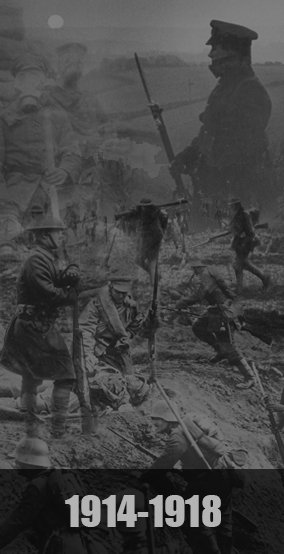
Jedno tomowe wydanie „Łowcy i kawaleria” odsłania zawartość opisującą formacje górskie, kawaleryjskie, szturmowe, a nawet rowerowe. Podręcznik jednostek i oddziałów armii niemieckiej z lat 1914–1918.
Autorzy: Dr. Jürgen Kraus
ISBN: 978-3-903341-29-6 ( wersja niemiecka)
Waga: 2,5 kg
Dane Techniczne: łącznie 448 stron, zszytych w twardej oprawie. Format: 26 x 18,5 cm.
- Publikacja wydawnictwa Verlag Militaria, wysoko cenionego wśród kolekcjonerów i hobbystów
OPIS ANGLOJĘZYCZNY
This volume covers the following branches of the armed forces:
- Hunters and Riflemen: Due to their preferential selection and training, the riflemen always enjoyed a special reputation. In addition to the existing 18 active battalions, 26 reserve rifle battalions were formed after the outbreak of war. Since 1915, these battalions have been consolidated into a total of 16 rifle regiments.
- Snowshoe and mountain troops: For deployment in snowy regions, the first snowshoe troops were formed in the winter of 1914/15, which were reorganized into mountain troops in the 3rd Jäger Regiment in the spring of 1915. Württemberg established an independent mountain battalion, which was later expanded into a regiment.
- Stormtroopers: The attacks on the heavily fortified positions required specially trained stormtroopers. From a detachment first deployed in the West in 1915, the "Rohr Storm Battalion" was formed in the same year as a training unit for the 16 storm battalions established from the end of 1916 onwards.
- Bicycle troops: Initially, the bicycle companies were attached to the rifle battalions. Because of their high mobility, they soon became indispensable, and numerous independent bicycle companies were formed during the course of the war. From 1916 onwards, these companies were consolidated into eight bicycle battalions.
- Cavalry: At the start of the war, the cavalry, divided into army and divisional cavalry, comprised 110 active cavalry regiments and 33 reserve regiments, supplemented by Landwehr and Landsturm squadrons. Due to a severe shortage of horses, several squadrons had to surrender their horses in 1915, and from autumn 1916 onward, entire cavalry divisions were forced to do so. As a result, over 50 regiments lost their horses and were converted into unmounted "cavalry rifle regiments" the size of an infantry battalion.
For all troops, the essential organizational data is presented in a clear and concise format, particularly regarding their establishment, reorganization, and disbandment. This allows for an almost complete tracking of the troops' movements throughout the war.

